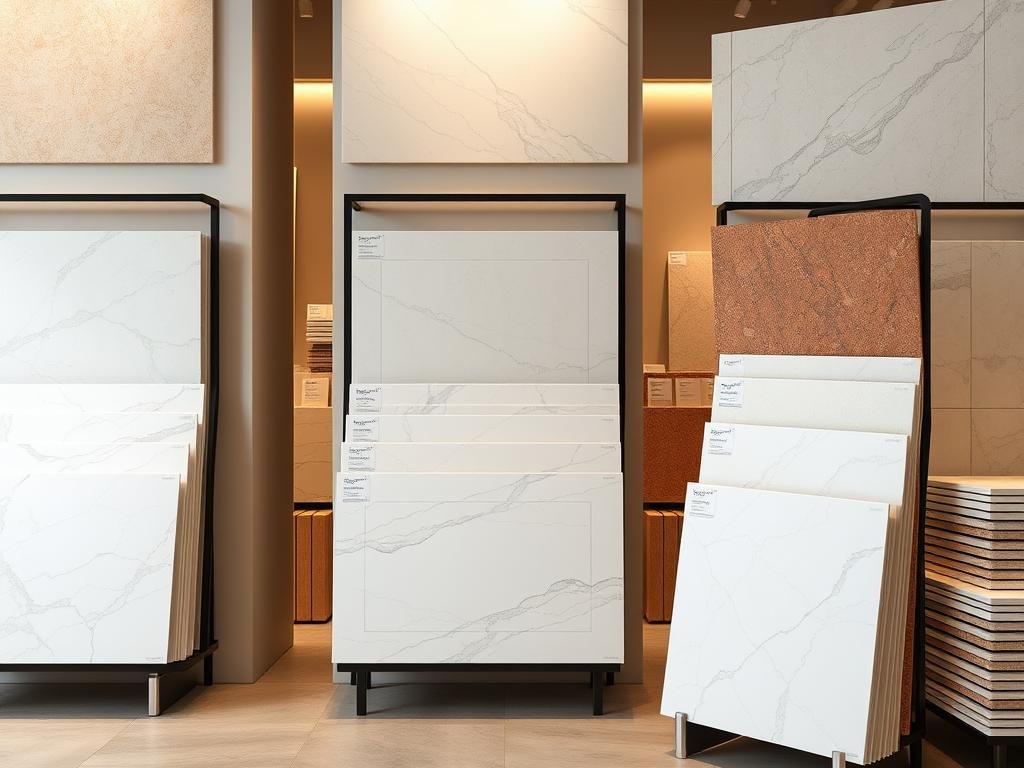
Ceramic & Porcelain Tiles
Tiles are the biggest reason people come to Ceramica Market, and the reason they leave having spent less than they planned to. The factories and their official agents sell here themselves, so the per-m² price is agreed with the people who set it — not with a showroom in between.
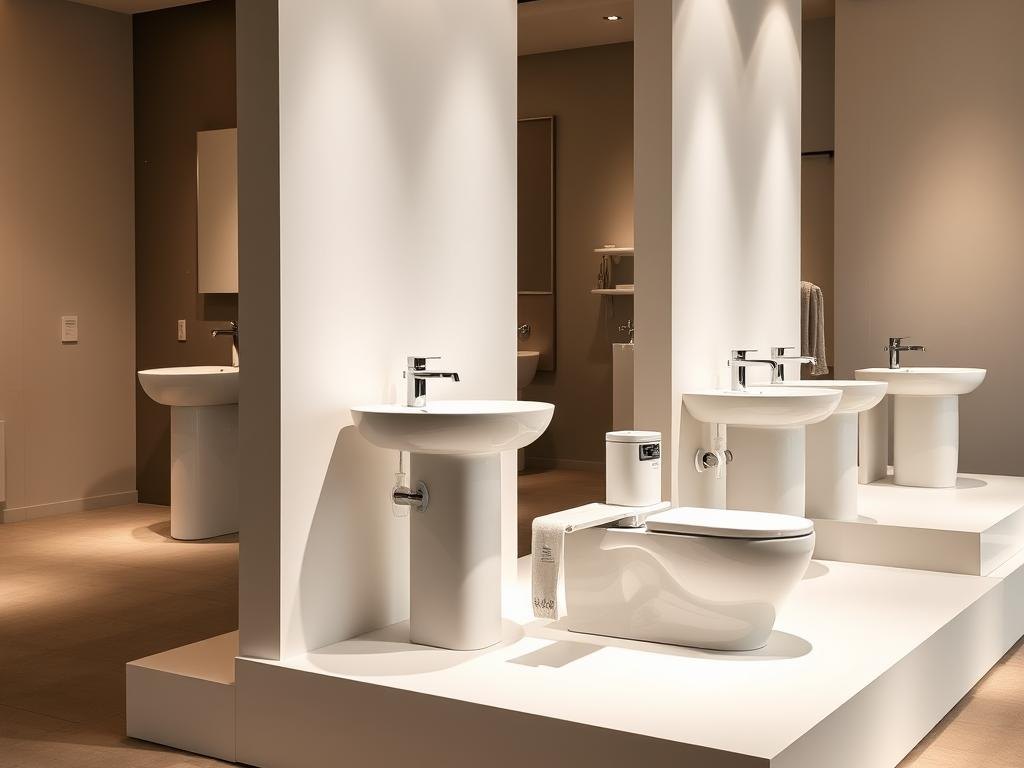
Sanitaryware
Sanitaryware is where the show's set pricing does the most work. A toilet, a basin and the mixer to match are usually quoted together, and the saving on the set is bigger than the saving on any single piece.
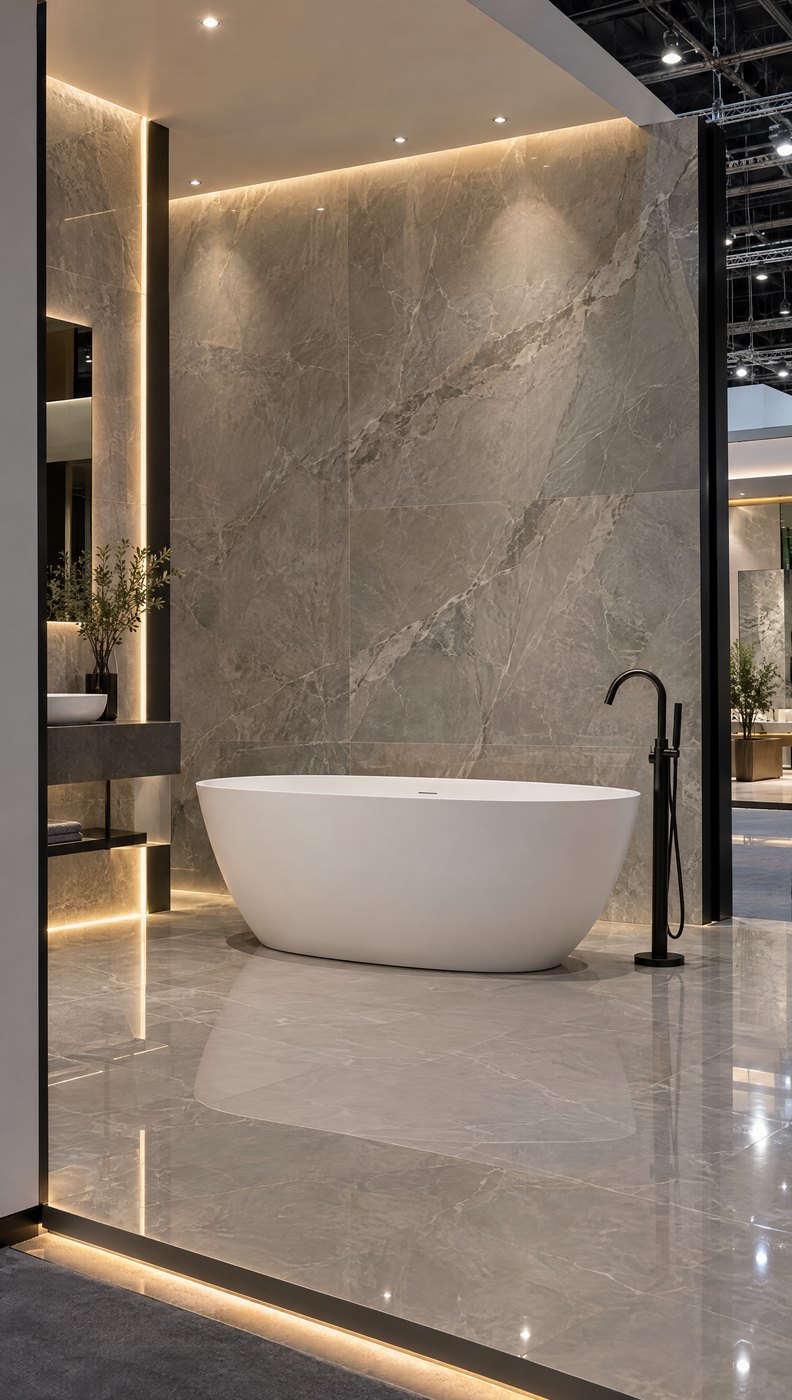
Shower Cabins & Enclosures
A shower cabin is hard to judge from a photograph: the glass thickness, how the door runs, whether the tray drains where your bathroom needs it. The stands here are built so you can open the door and look.
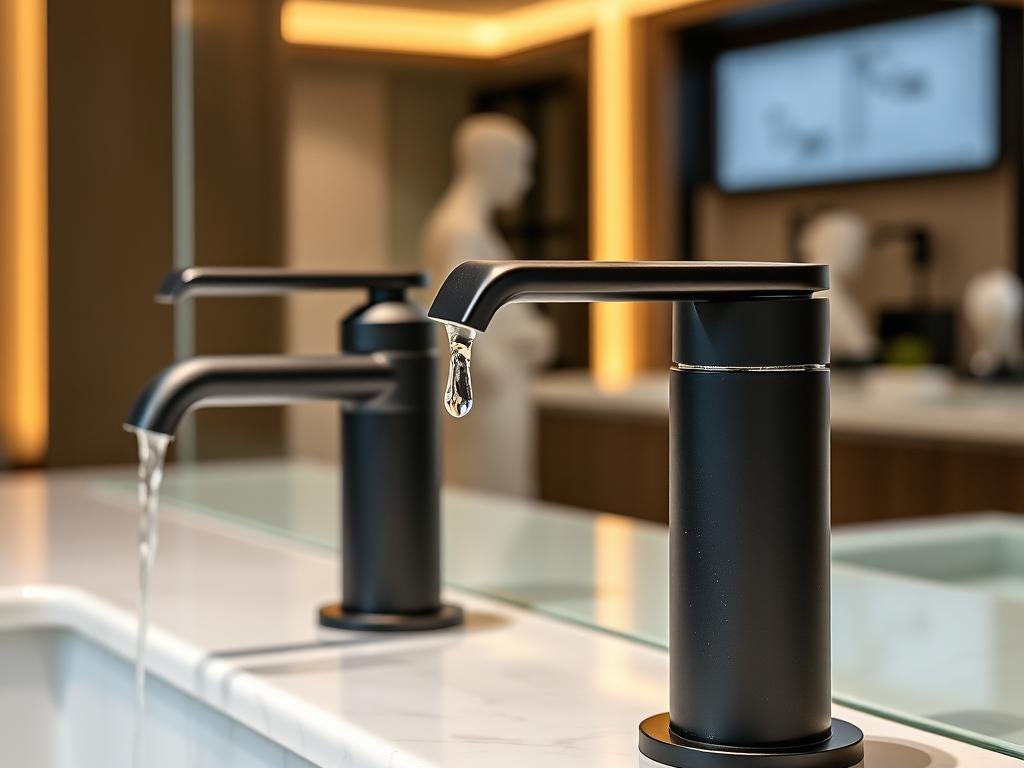
Mixers & Faucets
Mixers are the piece most often bought last and regretted first. Buying them beside the sanitaryware — same visit, same stand, one negotiation — is how the finish ends up matching and the price ends up lower.
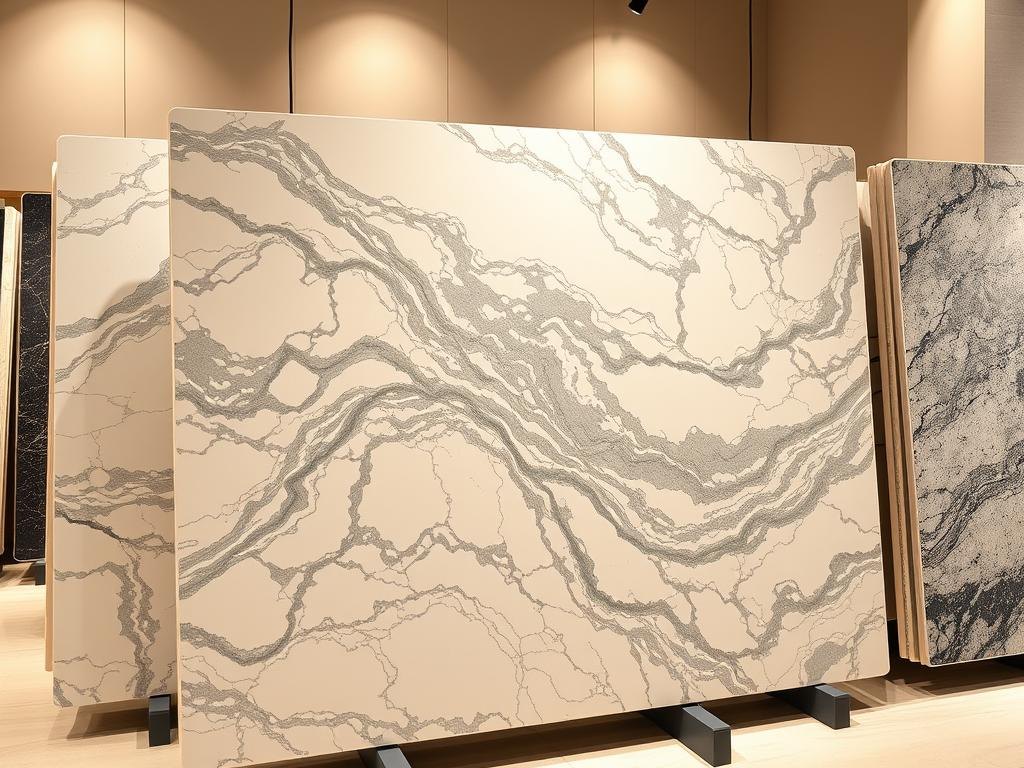
Marble & Granite
No two slabs are the same, which is exactly why stone is worth buying in person. The vein you approve on the stand is the vein that goes into your hallway.
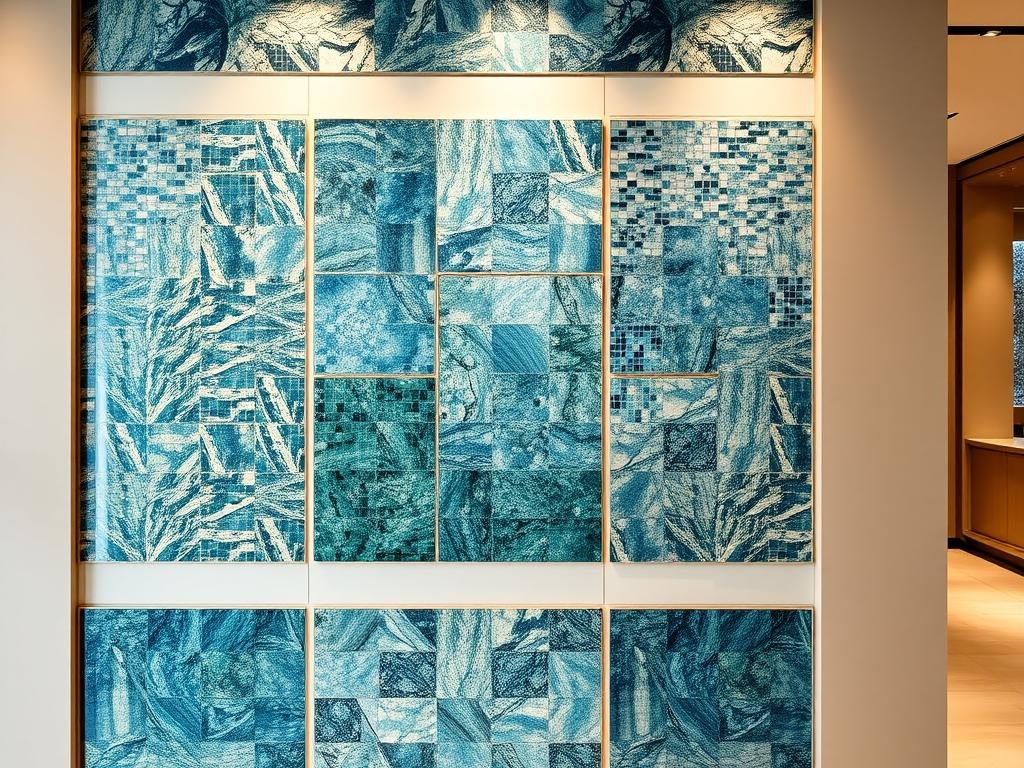
Mosaics & Decorative Tiles
Mosaic is bought by the sheet and judged by the light. Seeing it under the hall's lighting beside the tile you have already chosen is worth more than any catalogue.
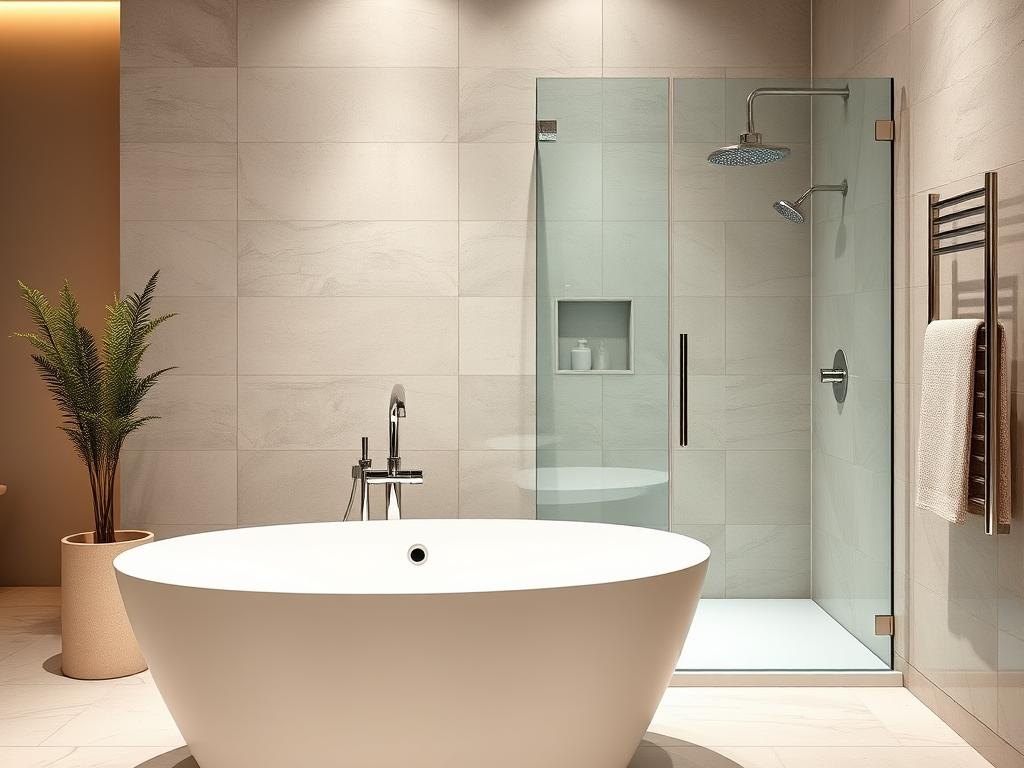
Bathroom Furniture & Accessories
The vanity, the mirror and the accessories are what make a bathroom look finished rather than fitted. They are also the easiest things to buy in the same visit as the sanitaryware they have to sit beside.
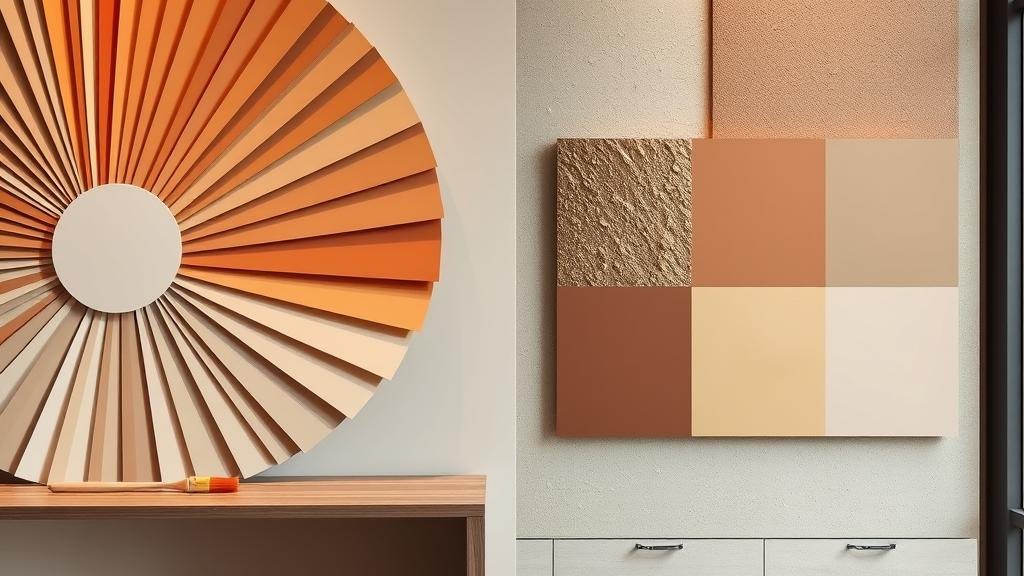
Paints & Wall Finishes
Colour decisions go wrong when they are made in a different building from the floor. Here the paint stands sit in the same hall as the tiles, so the wall gets chosen against the floor it will live with.
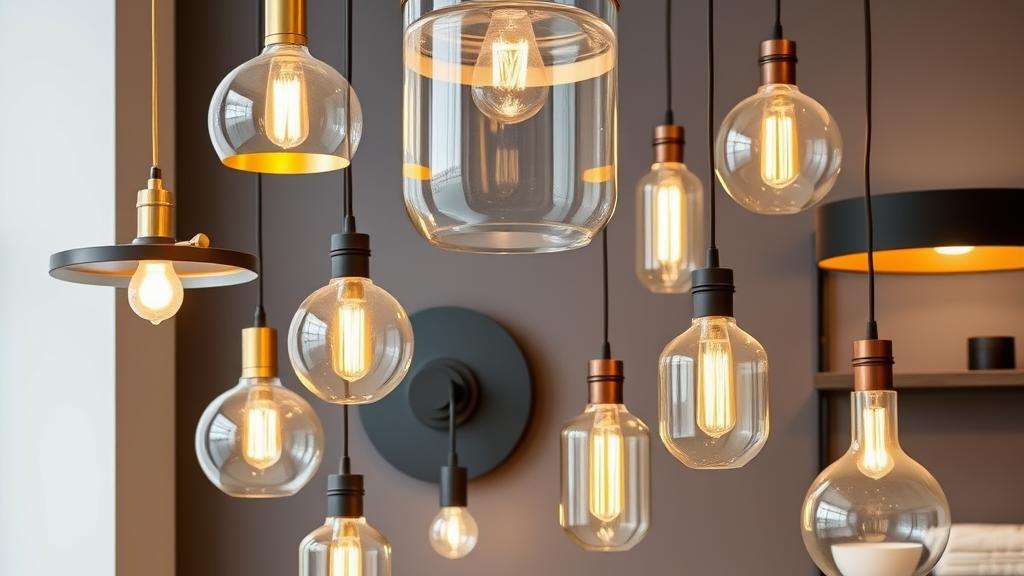
Lighting
A fixture in a box tells you nothing about the light it throws. Every stand here has its lighting switched on, which is the only honest way to compare a warm white against a cool one.
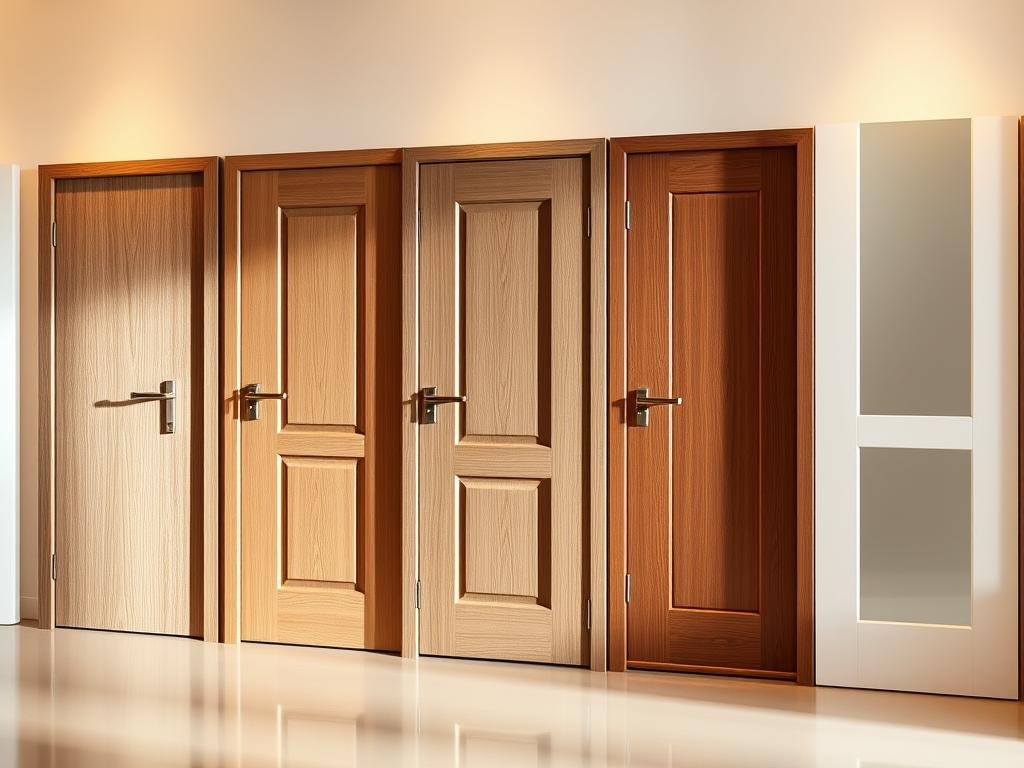
Doors
A door is a frame, a leaf and a lock, and the frame is what fails first. Seeing the section on the stand tells you more about a door than its finish ever will.
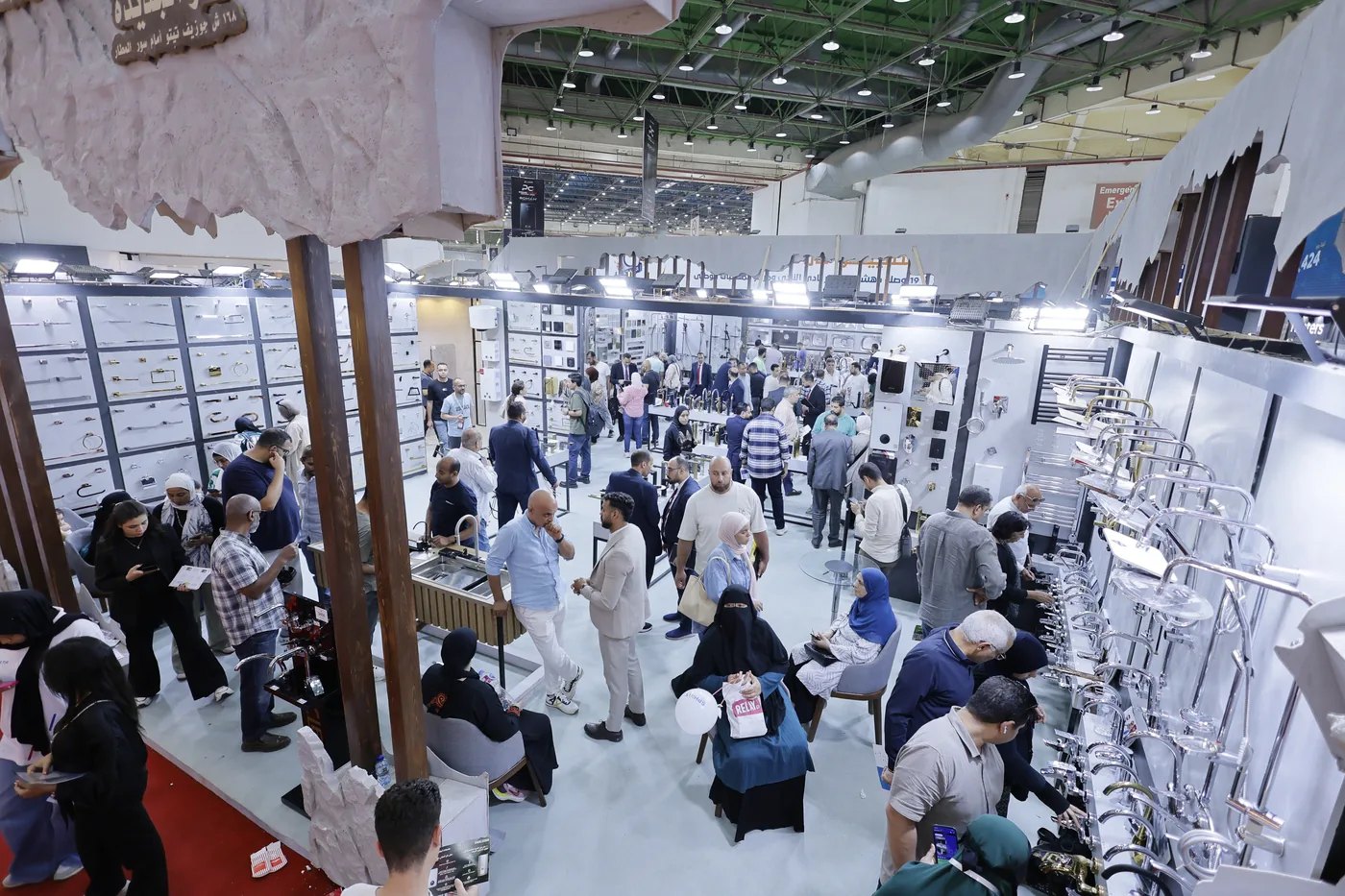
Plumbing & Water Heaters
The parts nobody sees are the ones that decide whether a finished bathroom stays finished. They are sold here by the same companies that make them, next to the fittings they have to connect to.
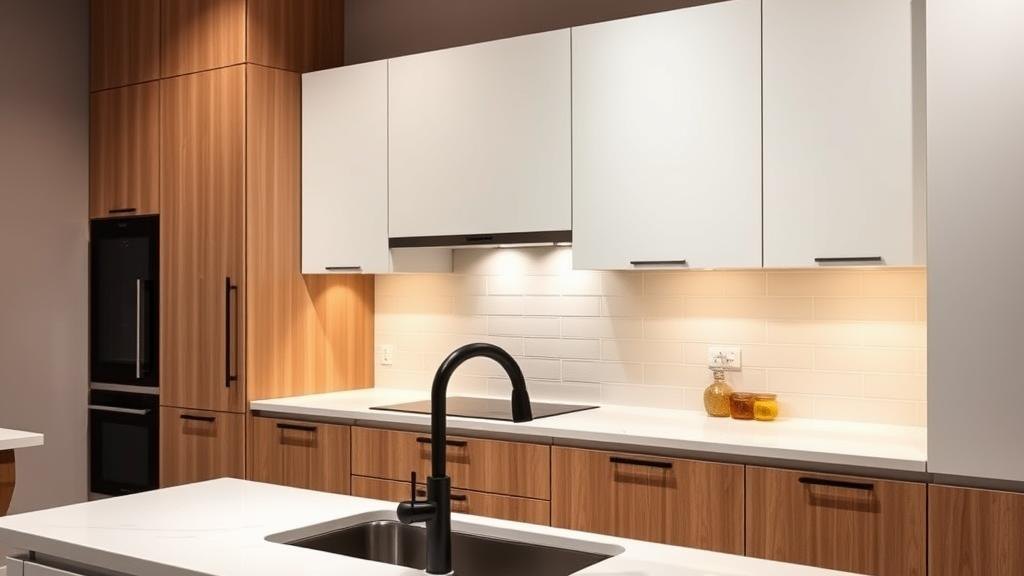
Kitchens
A kitchen is decided by three things bought from three different trades: the units, the counter and the wall behind it. Ceramica Market has the stone and the tile; HOMEX runs next door in Hall 2 with the units and the appliances, on the same ticket.
Turnkey Finishing & Contracting
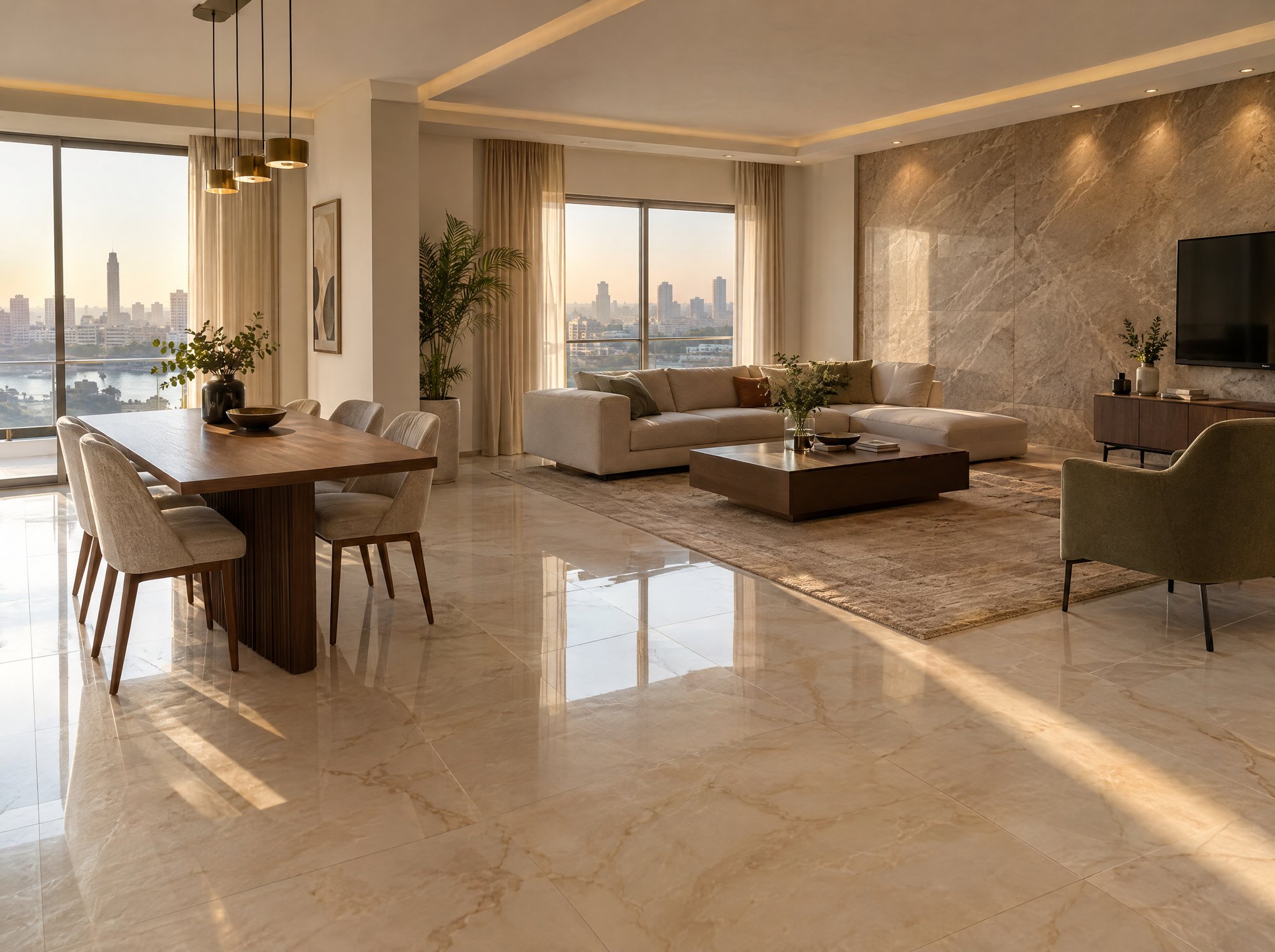
Finishing an apartment piecemeal is how budgets go. The companies here quote the whole job — a roughly 110 m² turnkey package is a standard ask — so the floors, the bathrooms and the labour are priced against each other rather than one at a time.